

Ever notice how a yard can look full of flowers… yet feel strangely empty?
The blooms are there. The colors are great. But the air is quiet.
No butterflies drifting past your patio.
No bees hopping from flower to flower.
It turns out most gardens accidentally create what ecologists call a pollinator food desert. Many popular flowers provide nectar, but they don’t support the entire life cycle of pollinators.
That’s where the idea of a pollinator café comes in.
Instead of planting random flowers, you design your yard like a restaurant that stays open all season long — serving nectar, pollen, and host plants from early spring through fall.
And if monarch butterflies are your goal, the secret is knowing the best host plants for monarch butterflies so they don’t just visit your yard… they raise their next generation there.
Let’s walk through how to build a backyard “butterfly buffet” that keeps pollinators coming back all season.
What a Pollinator Café Actually Is
A pollinator café is a garden designed to feed and support pollinators from spring until frost.
Unlike traditional flower beds, these gardens include two critical elements:
1. Nectar plants – flowers that feed adult butterflies and bees
2. Host plants – plants where butterflies lay eggs and caterpillars grow
Most gardens only provide nectar.
But without host plants, butterflies simply stop by for a quick drink and move on.
According to the National Wildlife Federation, about 90% of flowering plants depend on pollinators like bees, butterflies, and moths for reproduction.
That means helping pollinators actually helps your entire garden ecosystem thrive.

Real Cost Breakdown
The good news: pollinator gardens are one of the most affordable backyard upgrades you can make.
Most plants are hardy perennials that return every year.
In 2026, a simple pollinator garden typically costs $100 to $500 depending on size.
Typical Pollinator Garden Costs
Plant Type |
Average Price |
Notes |
|---|---|---|
Native flowering perennials |
$8 – $20 |
long-lasting |
Monarch host plants |
$5 – $15 |
critical species |
Wildflower seed mix |
$10 – $25 |
fills large areas |
Compost and mulch |
$40 – $120 |
soil health |
Many native plant sales through conservation groups are even cheaper.
A Realistic Starter Pollinator Garden
If you want to start small, here’s an easy 100-square-foot butterfly buffet garden.
3 milkweed plants – $30
4 coneflowers – $60
3 black-eyed Susans – $30
native wildflower seed mix – $15
mulch – $40
Total investment: about $175
That’s enough to start attracting pollinators within a single growing season.

Why Pollinator Gardens Are Taking Off
1. Monarch butterflies need help
Monarch populations have declined dramatically over the last few decades due largely to habitat loss.
According to the Xerces Society for Invertebrate Conservation, the loss of milkweed across North America has been a major factor.
2. Pollinators support food production
About one out of every three bites of food humans eat depends on pollinators (USDA).
That includes crops like:
apples
blueberries
almonds
squash
Helping pollinators helps food systems.
3. Native gardens are easier to maintain
Native plants evolved in your local climate.
That means they typically require:
• less watering
• less fertilizer
• fewer pesticides
Ecologist Doug Tallamy, author of Nature’s Best Hope, explains it well:
“A landscape without host plants is essentially a food desert for insects.”

Best Host Plants for Monarch Butterflies
If monarchs are your goal, milkweed is non-negotiable.
Monarch caterpillars can only survive on milkweed plants.
No milkweed = no monarchs.
Here are three excellent options.
1. Common Milkweed (Asclepias syriaca)
Bloom season: summer
Common milkweed produces fragrant pink flowers and provides essential food for monarch caterpillars.
Once established, it’s hardy and reliable.
Best for: natural garden beds and meadow-style plantings.
2. Butterfly Weed (Asclepias tuberosa)
Bloom season: early to mid-summer
This bright orange milkweed species is one of the easiest varieties to grow.
It’s drought tolerant and extremely attractive to pollinators.
Best for: sunny garden beds and borders.
3. Swamp Milkweed (Asclepias incarnata)
Bloom season: mid-summer
Swamp milkweed thrives in moist soils and rain gardens.
Its pink flowers attract monarchs, bees, and hummingbirds.
Best for: wetter garden areas.

Nectar Plants That Keep the Buffet Open
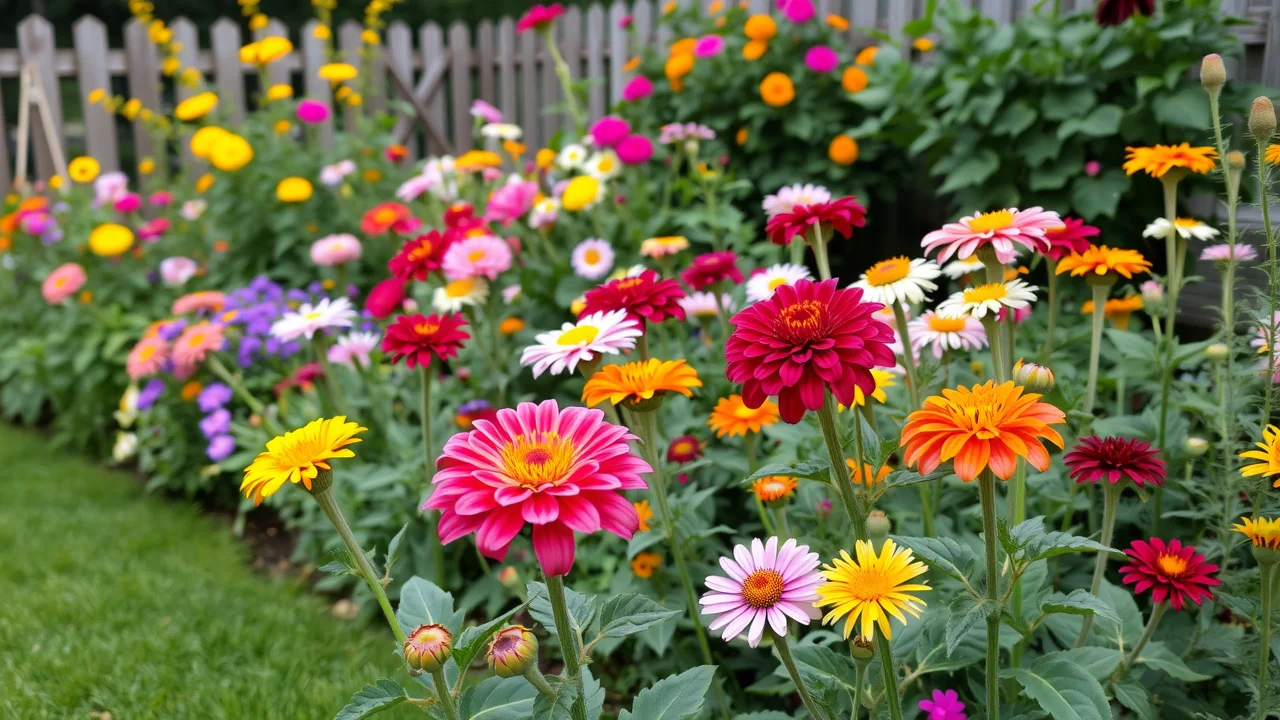
To keep butterflies visiting all season, your garden needs staggered bloom times.
That means different plants flowering at different times of the year.
4. Purple Coneflower
Bloom season: summer
A classic pollinator plant that attracts butterflies, bees, and birds.
Very hardy and beginner friendly.
5. Black-Eyed Susan
Bloom season: summer through early fall
These bright yellow flowers produce abundant nectar and are easy to grow.
6. Joe-Pye Weed
Bloom season: late summer
Tall pink flower clusters that butterflies absolutely love.
Great for the back of garden beds.
7. Asters
Bloom season: late summer to fall
Asters provide critical late-season nectar when many other plants stop blooming.
They help migrating butterflies fuel up before winter.
Designing a Backyard “Butterfly Buffet”
If you want your pollinator café to work well, follow a few simple design rules.
Plant in clusters
Butterflies find large groups of the same flower easier to locate.
Aim for 3–5 plants of each type together.
Include bloom succession
Plan flowers so something is blooming from:
• early spring
• summer
• late fall
That keeps the café open all season.
Add a shallow water source
Butterflies often gather around shallow puddles to drink minerals.
A simple dish with pebbles and water works well.
Skip pesticides
Most pesticides harm pollinators.
Healthy soil and native plants reduce pest problems naturally.

Genuine Advantages
1. Your Yard Becomes a Wildlife Habitat
Pollinator gardens attract butterflies, bees, hummingbirds, and beneficial insects.
Your backyard becomes part of a larger ecosystem.
2. Better Vegetable Garden Yields
Pollinators improve fruit and seed production in vegetables.
Many gardeners notice stronger harvests after planting pollinator gardens.
3. More Color and Movement
Butterflies add motion and life to a garden in a way flowers alone cannot.
The yard simply feels more alive.
4. Lower Maintenance Over Time
Native plants generally require less watering and fertilizer once established.
Honest Downsides
1. Caterpillars Eat Leaves
That’s the point.
Host plants will look a little chewed because they’re feeding caterpillars.
But that means your garden is working.
2. Native Plants Spread
Some pollinator plants naturally reseed.
Strategic placement keeps them manageable.
3. Winter Dormancy
Many native perennials die back in winter.
But they return each spring.
People Also Ask
What are the best host plants for monarch butterflies?
Milkweed species such as common milkweed, swamp milkweed, and butterfly weed are essential for monarch caterpillars.
Do butterflies need host plants?
Yes. Host plants are where butterflies lay eggs and where caterpillars grow before becoming adults.
How big should a pollinator garden be?
Even a small garden bed or container garden can support pollinators.
Larger gardens support more species.
Can pollinator gardens work in suburban yards?
Absolutely. Many successful pollinator gardens exist in small residential yards.
Final Take
Pollinator cafés aren’t just gardens.
They’re tiny ecosystems.
When you plant host plants and nectar flowers together, something amazing happens.
Your yard becomes a place where butterflies stop, feed, lay eggs, and return year after year.
And if you enjoy learning about ways to turn an ordinary backyard into something more alive, you’ll probably enjoy some of the other guides on TheBackyardPal.com too.
You’ll find ideas for things like:
• backyard pocket forests
• rainwater harvesting systems
• moon gardens
• wildlife-friendly landscaping
• low-maintenance outdoor spaces
Because sometimes the best backyard upgrades aren’t the expensive ones.
They’re the ones that make your yard feel a little more alive every season.


Write A Comment