

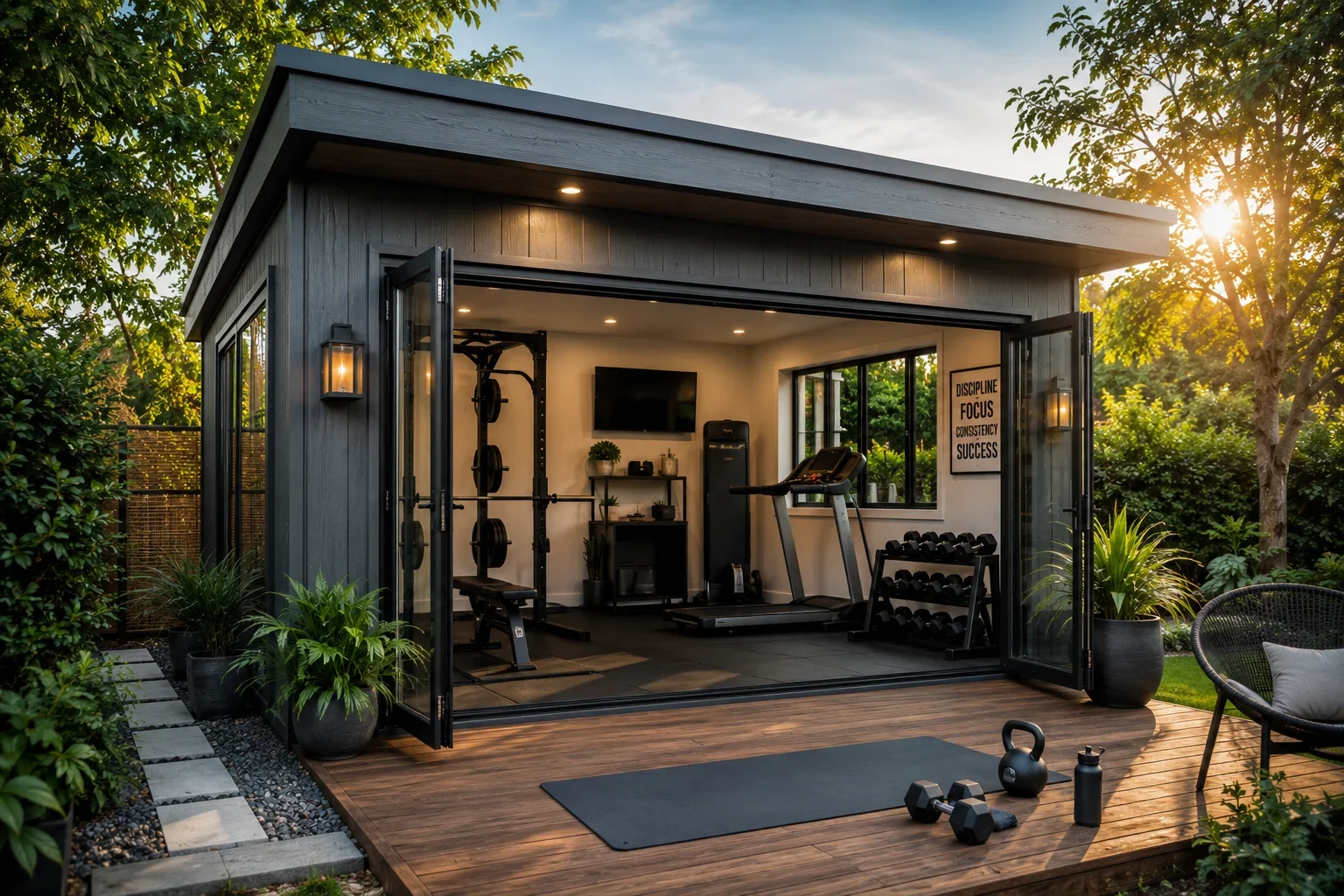
Imagine reclaiming your fitness passion without sacrificing your living space. Many homeowners yearn for a private workout haven, free from gym crowds. Backyard gym sheds offer a personal sanctuary, transforming your yard into a motivating space that supports your health journey with convenience and privacy.
Why a Backyard Gym Shed Is the New Must-Have for Homeowners
The appeal of a home gym shed vs. traditional home gym setups
Privacy, convenience, and the power of a dedicated workout space
Transforming a garden shed or storage shed into a personalized backyard gym
More homeowners today are seeking alternatives to crowded fitness centers and the inconvenience of turning spare rooms into gyms. A backyard gym shed bridges this gap by delivering a dedicated workout space just steps from your backdoor.
Unlike traditional home gym setups that might disrupt your living area or require extensive renovations to your existing home, a gym shed provides privacy and separation—critical ingredients for focus and motivation.
Imagine starting your morning with fresh air and serenity, not the chaos of a public gym or the makeshift feel of a treadmill crammed next to your couch. With a gym shed, your workout space is always ready for new fitness goals, whether you’re hitting the weights or jumping on the stationary bike.
Beyond privacy, a backyard gym shed gives you the ability to customize your equipment layout, decor, and climate control—something not easily achieved in a multipurpose room or garage. Plus, you'll save time (and often money) by removing the need to drive to the gym or pay a monthly gym membership.
What You'll Learn About Building a Backyard Gym Shed
Crucial planning steps for your backyard gym shed
Features of a functional workout space in your garden shed
How to choose flooring, insulation, and ventilation for your gym shed
Real homeowner success stories to inspire your project
This guide draws on expert recommendations and real-life transformations to help you build the perfect backyard gym shed. You’ll learn about effective planning, see which features matter most, and get practical advice on materials, layouts, and long-term durability. By the end of this article, you’ll understand the best way to turn a simple garden shed or storage shed into the performance-boosting, motivating home gym you’ve always wanted.
As you consider the possibilities for your backyard gym shed, it can be helpful to compare different types of outdoor structures and their unique benefits. For a detailed breakdown of how sheds, cabins, and studios stack up for various uses—including fitness spaces—explore this guide on choosing the best structure for your yard.
Planning Your Backyard Gym Shed: Essential Considerations
Constructing a backyard gym shed begins with clear goals and early decisions. By addressing basics such as location, shed size, access, and local code requirements, you set the stage for a functional, inspiring home gym shed. These early steps prevent costly mistakes and ensure your shed matches your vision for an ideal exercise room—whether focused on strength training, cardio, or a combination of both.
Start by reflecting on your available extra space and measuring your yard. Consider sun and wind exposure for comfort and think about accessibility from your house to the shed int. If you plan on using heavy workout equipment, ensure the size of shed can accommodate machines and allow adequate movement.
The right foundation is also critical for a lasting shed floor, especially if your workout equipment puts hundreds of lbs per square foot on the surface. Check your local guidelines to confirm if a permit is required, as regulations for backyard gym installations vary by municipality.
Choosing the Right Shed: Size, Placement, and Permits
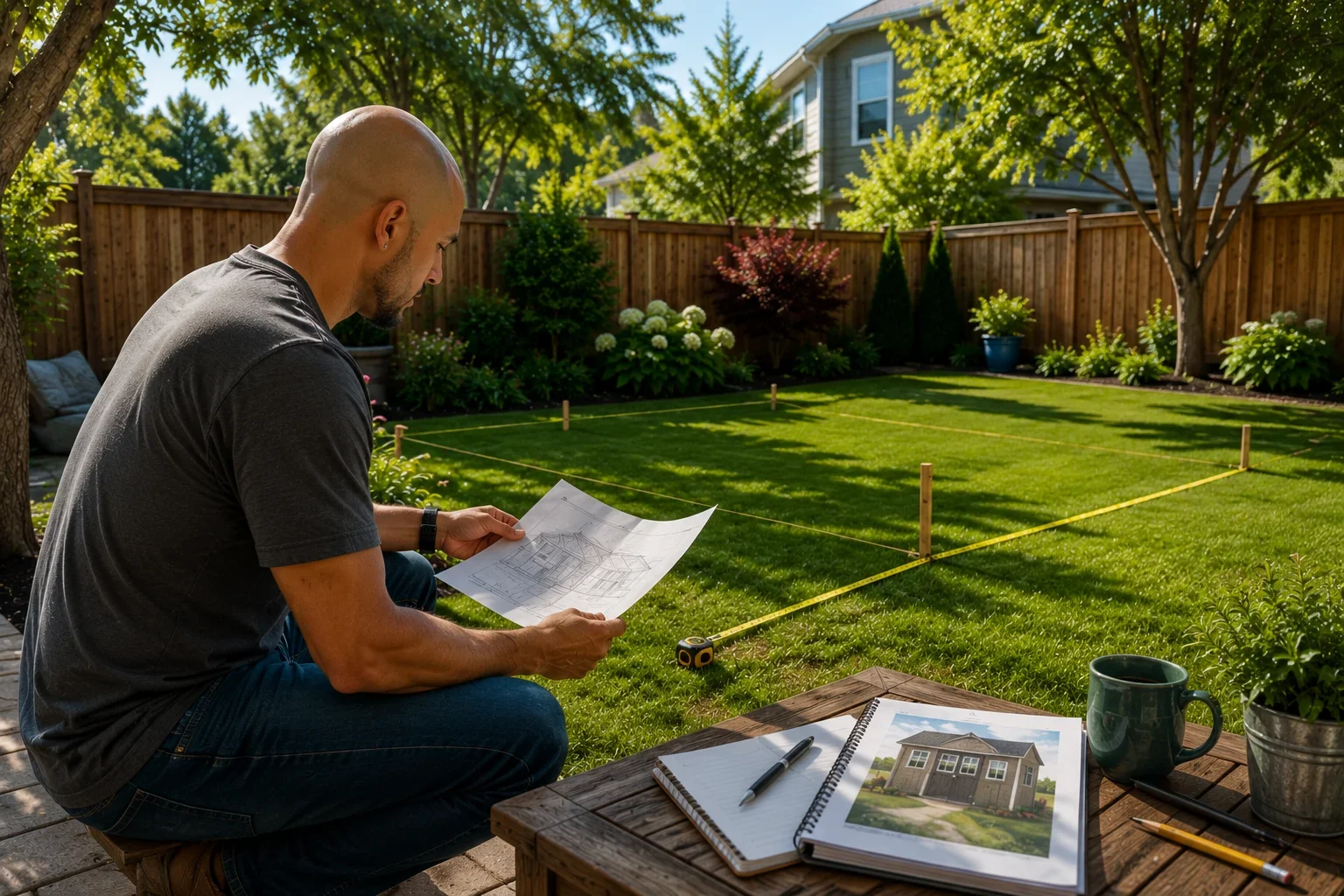
Finding the right structure sets the foundation for your privacy and productivity. Start with a close look at your yard, thinking not just about the actual size, but also about placement for maximum sunlight, privacy, and convenience. Shed sizes usually start at about 8x10 feet and can scale up depending on your fitness goals. Make sure you leave enough space to move comfortably around exercise equipment—remember, keeping at least two feet around each machine is essential.
It’s also crucial to ensure the shed meets your regional building codes. Many cities require permits for structures over a certain square footage, especially if you’re adding electricity for good lighting and climate control. Reach out to your local building department for specifics; getting a permit at the start can save you money—and headaches—down the line. Lastly, be sure to factor in easy access to your home and the distance from outdoor distractions.
Designing a Home Gym Shed for Comfort and Performance
“A well-designed backyard gym shed removes barriers to regular fitness. It provides a dedicated, motivating environment, just steps from your backdoor.” – Emily Bryant, Certified Home Fitness Designer
Designing your backyard gym shed means balancing inspiration and practicality. Insulation and climate control are must-haves if you want to use your gym year-round—this creates a comfortable workout environment regardless of the season. Consider closed-cell foam or insulated panels to regulate temperature. Ventilation matters, too: ceiling fans or operable windows can help air circulate, especially during intense cardio sessions.
Don’t overlook lighting. Well-planned good lighting transforms shed interiors (shed int), making morning or evening workouts both safe and energizing. LED lights are energy-efficient and cool to the touch. Many homeowners also install mirrors to check form and boost motivation. Finally, use wall space for racks, hooks, and shelves to keep the area tidy and inspiring—a place you’re excited to use day after day.
Must-Have Features for a Backyard Gym Shed
Durable shed floor options for heavy equipment
Insulation and climate control for year-round use
Lighting and electrical: Outfitting your home gym shed safely
Optimizing storage for your workout space and gear
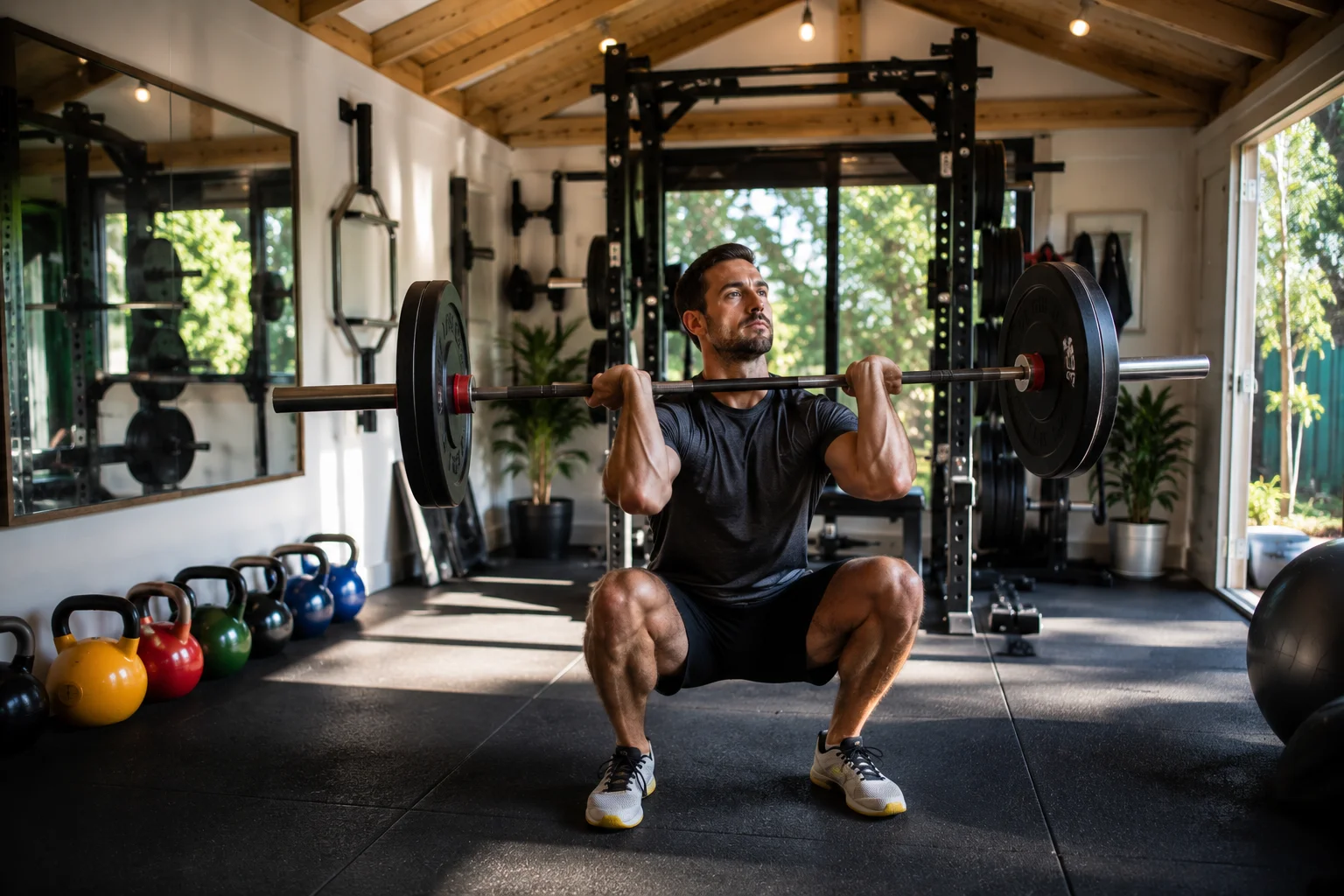
A well-equipped gym shed includes a tougher-than-average floor, strong insulation, bright and efficient lighting, and plenty of storage solutions. For your shed floor, look for gym-grade rubber mats or interlocking tiles rated for 300+ lbs per square foot. This protects both your subfloor and your equipment from scuffs and impact.
Proper insulation means adding layers between your wall studs and under your roof deck—this guards against temperature swings, making the gym comfortable and inviting even in extreme weather. Adding portable or built-in heating and cooling expands usability even further. Don’t forget about wiring for outlets and lighting—if you’re unfamiliar, hire a licensed electrician for safety.
For storage, wall-mounted racks keep weights, bands, towels, and mats in reach without eating up floor space. Shelving allows for easy organization of smaller gear. Mirrors multiply available light inside your workout area and let you track your form for safer, more effective training sessions.
From Garden Shed to Home Gym: Transforming Existing Structures
Already have a garden shed or storage shed? You’re in luck: repurposing an existing structure is the fastest, most cost-effective way to build a home gym shed. Converting sheds into custom fitness spaces starts with clearing out clutter, cleaning thoroughly, and assessing the structure for water damage, rot, or weak floorboards. Upgrading the shed floor, improving insulation, and running power lines for lights and exercise equipment are common steps in these projects.
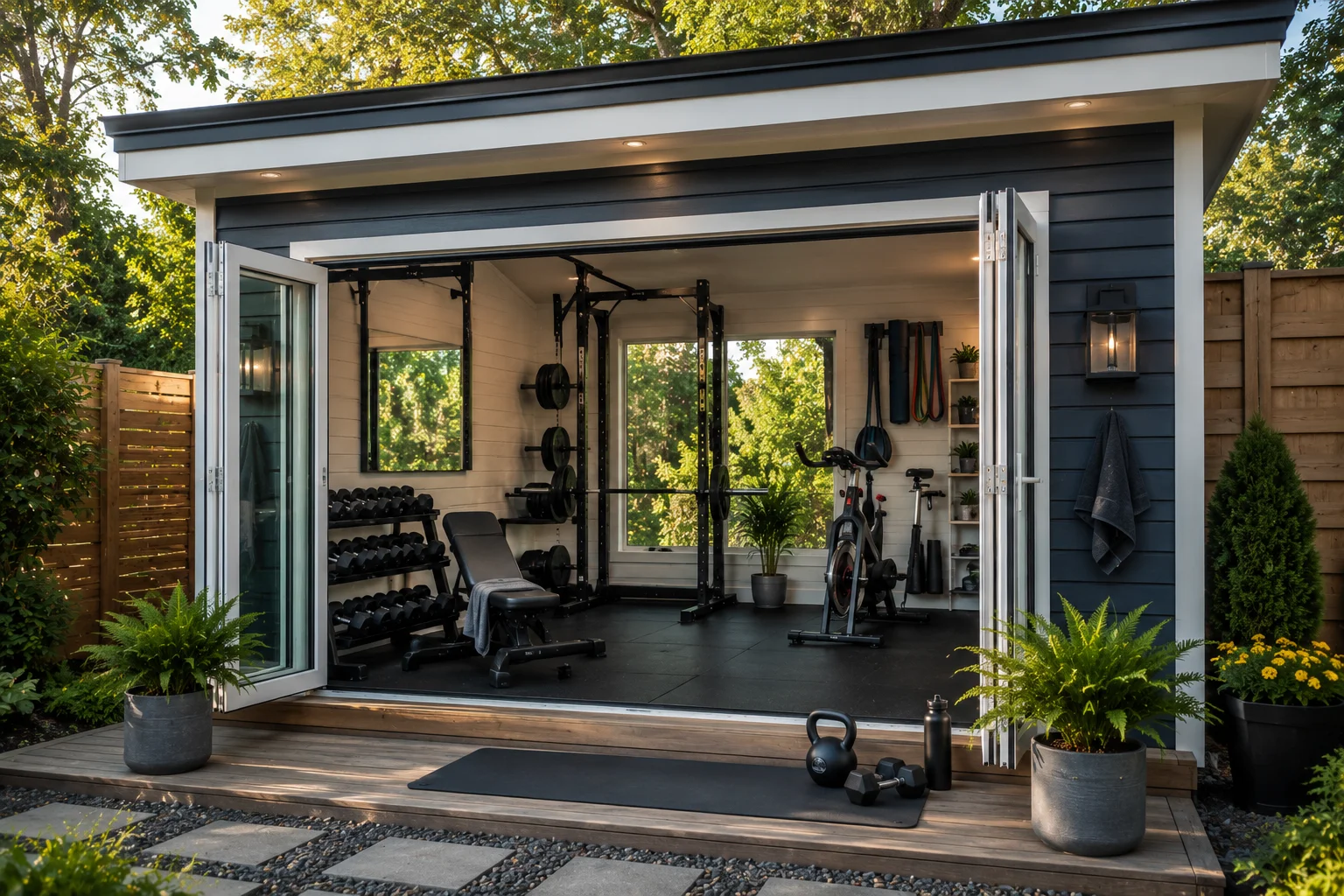
Inspiring success stories abound. Take Mitch and Joanne: after outgrowing their cramped indoor exercise room, they turned their old potting shed into a light-filled home gym—a transformation that now supports both their weight training and stationary bike routines, while keeping their main living space uncluttered. Homeowners are increasingly opting to view options and adapt what they already have rather than expand or renovate their main house.
Flooring Upgrades: Protect Your Shed Floor and Equipment
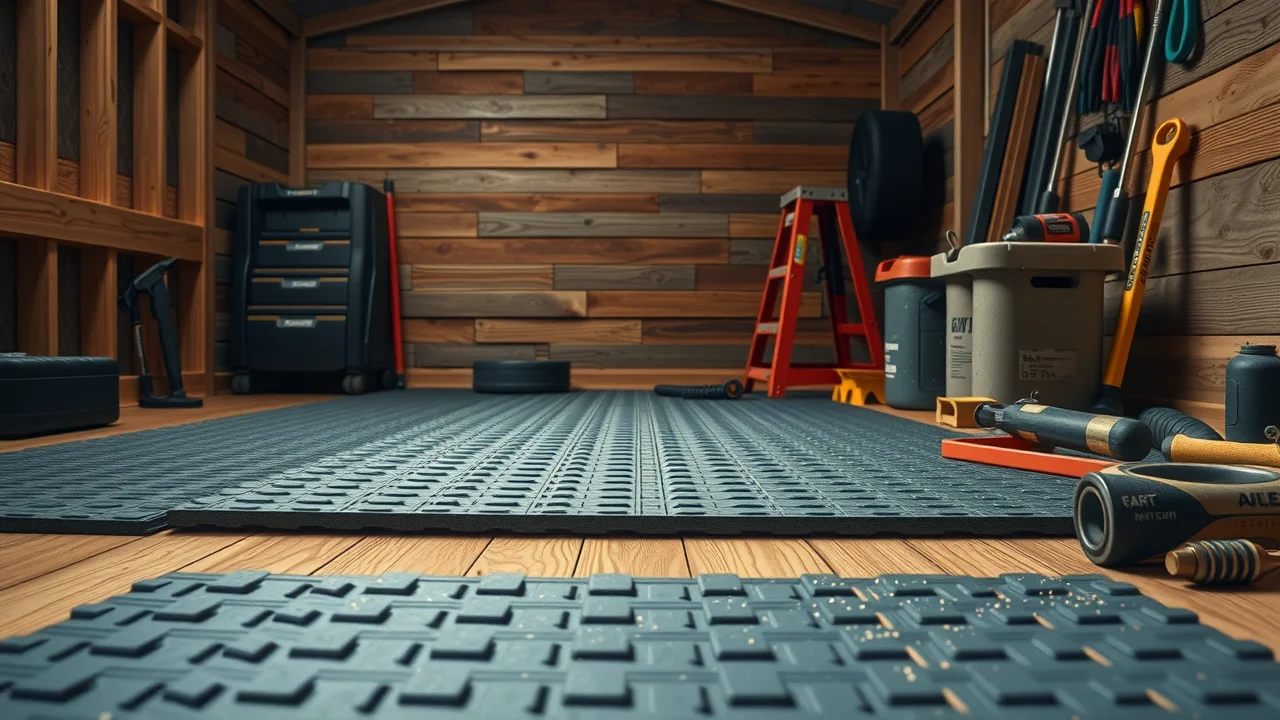
Proper shed floor upgrades are critical for any gym shed conversion. Most standard sheds—especially those built for gardening—feature wooden flooring not rated for the impact or weight of gym equipment. Lay down high-density rubber tiles or commercial-grade gym mats (at least 3/8” thick) to withstand heavy dumbbells, barbells, and machinery. These protect both the structure and your investments, preventing damage from repeated drops and vibration.
Easy-to-install interlocking mats make for a smooth, level workspace—ideal if you’re frequently rearranging gear. Some even feature anti-slip textures, which are perfect for high-intensity sessions. If your use is mostly yoga or light weights, softer foam or cork floors may suffice, but for anything over 200 lbs per square foot, upgrade to rubber or composite tiles designed for true gym shed demands.
Customizing Your Storage Shed With Racks, Mirrors, and Equipment
The best home gym sheds maximize efficiency. Use wall-mounted racks to store barbells, kettlebells, and resistance bands. Compact racks and folding benches allow for multiple workouts even in tight quarters (like an 8x10 shed). Full-length mirrors reinforce correct form and make the space feel bigger and brighter—key for motivation.
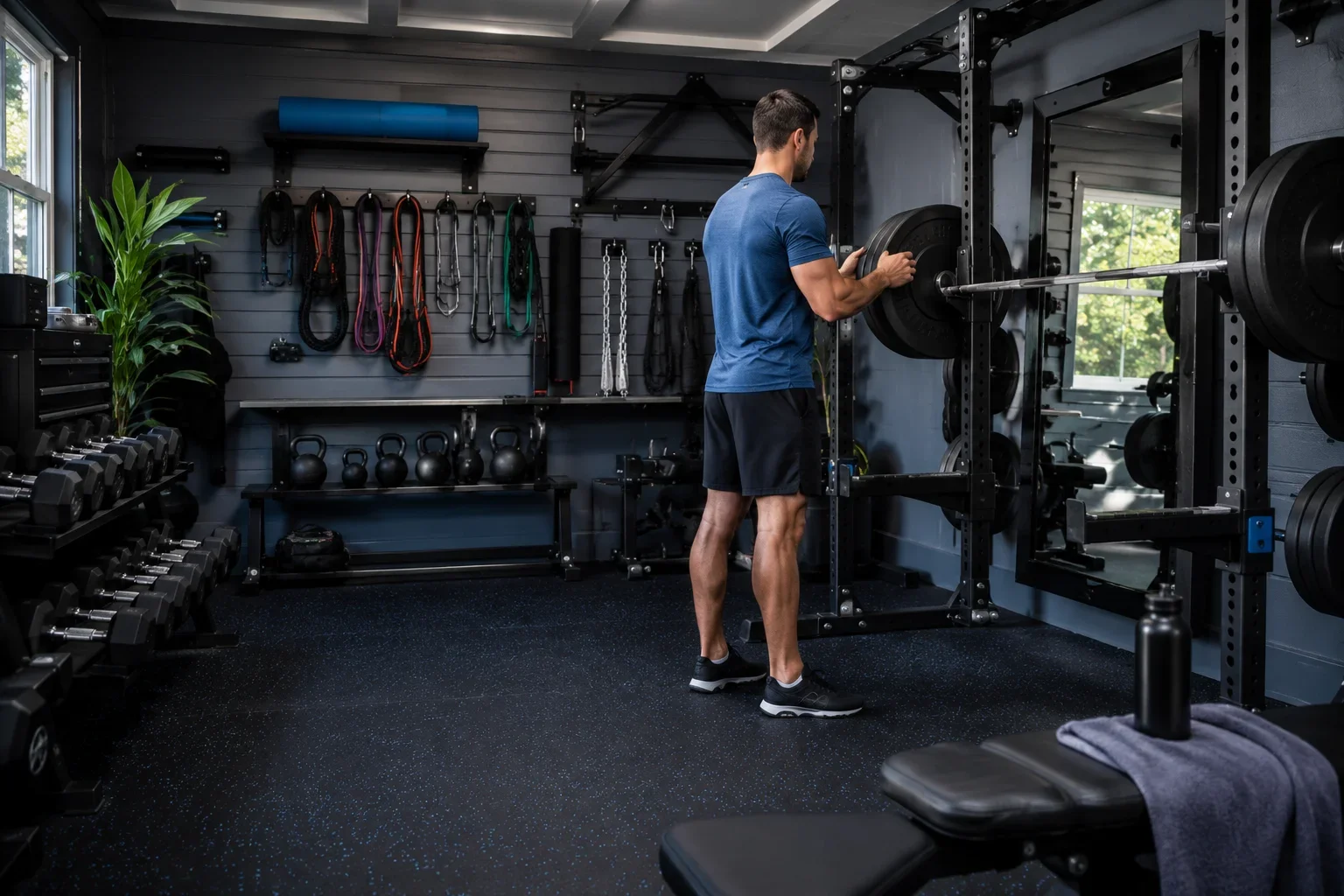
When selecting equipment, prioritize versatility. Adjustable dumbbells, a compact stationary bike, resistance bands, and a foldable bench fit most home gym shed layouts. Utilize wall hooks for mats, towels, and jump ropes to reduce clutter. The final touch is a Bluetooth speaker system or wall-mounted TV for entertainment during workouts, keeping you excited to use your new fitness retreat every day.
Comparing Backyard Gym Shed Materials and Features
Material |
Durability |
Insulation |
Best For |
|---|---|---|---|
Wood |
High (with maintenance) |
Excellent (easy to insulate) |
Long-term, custom projects |
Metal |
Very High |
Moderate (needs specialized insulation) |
Heavy-duty, commercial-grade gyms |
Plastic/Resin |
Medium |
Poor/Moderate |
Quick, budget-friendly solutions |
Expert Advice: Maximizing Motivation in Your Backyard Gym Shed
“Consistency is easier when workout hurdles disappear. A home gym shed gives you the autonomy to exercise on your schedule.” – Dr. Samuel Lee, PhD, Exercise Science
The biggest advantage of a backyard gym shed isn’t just equipment or location—it's how it fits seamlessly into your routine, making consistency natural. Experts agree that an exercise room set apart from your main living area, with a finished interior and motivational touches, makes you much more likely to follow through on your fitness goals. Set up a schedule and personalize your decor: motivational quotes, bright colors, or even a small fridge for recovery drinks can make a huge difference.
Keep your playlist ready, and streamline your workout flow: arrange your workout equipment so you move efficiently from warm-up to strength to cool-down. Some homeowners install chalkboards to track goals or digital timers to keep sessions focused. Routine and personalization together form the backbone of a home gym experience that lasts beyond the first month of excitement.
Short, engaging process montage of a backyard gym shed transformation — starting from an empty garden shed, evolving through construction, flooring setup, equipment placement, and a final reveal of the finished gym shed. This video provides inspiration and an overview of what’s possible in your own yard.
People Also Ask: Answers to Your Backyard Gym Shed Questions
Q: Can I use any garden shed as a backyard gym? A: Most standard garden sheds can be repurposed as home gym sheds, provided the structure is sound and the shed floor can support your planned workout equipment. Reinforcement and upgraded ventilation are usually needed for both comfort and safety.
Q: What is the best flooring for a home gym shed? A: The best gym shed floors are interlocking heavy-duty rubber mats, which protect both your shed’s flooring and your exercise equipment. For lighter activity, thick foam tiles may suffice, but for weights or cardio machines, durable rubber is strongly recommended.
Q: How do I ventilate my backyard gym shed? A: Natural ventilation through windows and ridge vents is effective for most gym sheds. However, for year-round use or high-intensity sessions, consider adding a small exhaust fan or portable AC unit to improve airflow and maintain a safe workout environment.
Q: Do I need permits to build a gym shed in my backyard? A: Many municipalities require permits for outdoor structures over a certain size, especially if you plan to add wiring or plumbing. Always check with your local building department before beginning your shed project.
Q: What equipment fits best in compact workout spaces? A: Adjustable dumbbells, compact benches, folding squat racks, resistance bands, and a small stationary bike all work well in smaller home gym sheds. Prioritize versatile gear that can be stored vertically or against the walls.
FAQ: Backyard Gym Shed Essentials
Can I use any garden shed as a backyard gym? – Yes, with proper structural upgrades and the right flooring, most garden sheds can be transformed into safe, functional gym sheds.
What is the best flooring for a home gym shed? – Thick rubber tiles are ideal for durability and shock absorption.
How do I ventilate my backyard gym shed? – Combine windows, vents, and fans for optimal airflow, especially during high-intensity workouts.
Do I need permits to build a gym shed in my backyard? – Checking your local codes is essential before building or converting any backyard structure.
What equipment fits best in compact workout spaces? – Use space-saving tools like resistance bands, adjustable weights, and folding benches for flexibility and convenience.
Key Takeaways: Designing Your Dream Backyard Gym Shed
A backyard gym shed boosts convenience, privacy, and motivation.
Careful planning ensures a durable and functional workout space.
Upgrading a garden shed or storage shed is a cost-effective solution.
Expert advice and real-world examples help perfect your home gym shed.
If you’re inspired to create your own backyard gym shed but want to see what other trending outdoor buildings might suit your needs, don’t miss our comprehensive overview of the most popular backyard buildings homeowners are choosing this year.
Whether you’re weighing the benefits of a gym shed, a studio, or a multi-purpose retreat, this resource will help you make a confident, future-proof decision for your property. Dive deeper to discover which structure aligns best with your lifestyle, space, and long-term goals—your perfect backyard upgrade could be just a step away.
Discover More Actionable Tips on Backyard Sheds at TheBackYardPal.com
Sources
Men’s Health – https://www.menshealth.com/fitness/a35415134/backyard-gym-shed-ideas/
Sheds Unlimited – https://www.shedsunlimited.net/blog/home-gym-shed-ideas/
Creating a backyard gym shed offers a private, convenient workout space just steps from your home.
For a comprehensive guide on designing and building your own backyard fitness retreat, consider exploring the article “Home Gym Shed | Backyard Fitness Space” by North Texas Sheds. This resource provides detailed insights into planning, construction, and customization options to suit your fitness needs.
Also, “Home Gym Sheds | Prefab Backyard Gym Buildings” by Stoltzfus Structures offers valuable information on prefab gym sheds, including features, customization possibilities, and installation tips.
These resources will equip you with the knowledge to create a personalized and functional backyard gym shed tailored to your fitness goals.
Information You Can Use and Trust, TheBackYardPal.com


Write A Comment